Dunyah: An Organic Script Typeface for Editorial Design
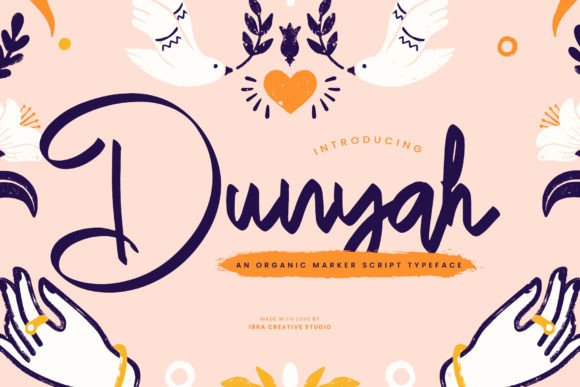
In the crowded landscape of digital publishing, establishing a distinct visual voice is just as critical as the quality of your writing. Whether you are designing a monthly newsletter, laying out an ebook, or crafting the cover for a digital magazine, the typography you choose sets the immediate tone for your reader. This is where Dunyah, an organic marker script typeface from Script Amp, becomes an invaluable asset for content creators who prioritize authenticity and fluidity.
Unlike rigid geometric sans serifs or traditional serif fonts that dominate body copy, Dunyah brings a human touch to editorial layouts. Its strokes mimic the natural variation of a felt-tip marker, offering a sense of immediacy and warmth that sterile digital fonts often lack. For publishers and bloggers, this translates to a powerful tool for building brand identity and fostering a deeper connection with the audience.
Elevating Headers and Publication Branding
The primary role of a display font like Dunyah is to command attention without overwhelming the content. In editorial design, the hierarchy is everything. You need a typeface that can anchor a layout, guiding the eye naturally from the main headline to subheads and pull quotes. Dunyah excels in this capacity due to its distinctive blend of fluidity and legibility.
Consider the cover of a lifestyle magazine or the hero image of a blog post. Using Dunyah for the main title instantly signals a specific mood—approachable, creative, and personal. It works exceptionally well for publications focused on wellness, travel, food, or personal development, where the emotional resonance of the design matters as much as the information provided. When used consistently across your headers, it becomes a recognizable signature of your brand identity, helping readers instantly identify your content in a busy social media feed or email inbox.
Strategic Use in Layouts and Graphics
While Dunyah is stunning for large headlines, its application requires thoughtful consideration of scale and context. It is not designed for long-form body text; rather, it shines as an accent typography element. Here is how you can integrate it effectively into various publishing formats:
- Newsletter Graphics: Break up text-heavy emails by using Dunyah for section dividers or introductory greetings. It adds a handwritten feel that makes the communication feel less automated and more personal.
- Quote Layouts: Social media graphics featuring key takeaways from your articles benefit immensely from the organic stroke of this font. It highlights the human element behind the words.
- Chapter Openers: In ebooks and guides, use Dunyah for chapter titles or drop caps to create a visual pause and signal a transition to the reader.
- Printable Worksheets: For coaches and course creators selling PDF guides, Dunyah adds a tactile, workshop-like quality to worksheets and planners, making them feel more engaging to fill out.
Readability and Technical Considerations
When selecting a script font for professional use, readability is the non-negotiable factor. A beautiful font that cannot be read on a mobile screen is a liability. Dunyah has been crafted with clear character shapes and generous spacing, ensuring that even at smaller sizes—such as in subtitles or caption credits—it remains decipherable. However, best practices in modern typography suggest keeping script fonts above a certain pixel threshold on web designs to maintain their integrity.
For those exporting content to PDF for print or high-resolution downloads, Dunyah retains its crisp edges, avoiding the blurriness that sometimes plagues complex scripts. Its organic nature means it handles anti-aliasing well on various screens, from retina displays to standard mobile devices. Nevertheless, always test your layouts on multiple devices before finalizing a publication to ensure the flow feels natural and the text does not appear cramped.
Mastering Font Pairing for Editorial Balance
The true power of Dunyah is unlocked when paired with complementary typefaces. A common mistake in amateur design is pairing a script font with another decorative font, which creates visual chaos. To achieve a polished, editorial look, you must balance the fluidity of Dunyah with structured, neutral partners.
For body copy, a highly readable serif font is often the best choice. The classic structure of a serif provides a stable foundation that allows the expressive script to shine without competing for attention. This combination evokes the feeling of high-end magazines and literary journals. Alternatively, for a more modern, clean aesthetic suitable for tech blogs or minimalist guides, pair Dunyah with a geometric sans serif font. This contrast between the humanist script and the mechanical sans serif creates a dynamic tension that keeps the reader engaged.
Use the sans serif for navigation elements, footnotes, and data tables, reserving Dunyah strictly for emotional highlights and titles. This separation of duties ensures your visual hierarchy remains intact and your content remains accessible.
Licensing and Commercial Applications
As a content creator, understanding the licensing terms of your design assets is crucial. Dunyah is available as a premium font, and utilizing it correctly protects your business and respects the foundry's work. If you are creating products for sale—such as wedding invitation templates, printable planners, or paid newsletters—you must ensure your license covers commercial use.
Many independent designers use fonts like Dunyah to create "end products" where the font is embedded in a flattened image or PDF. However, if you are building a web template or an app where the font file itself might be distributed or accessed by the end user, a different licensing tier may be required. Always review the specific terms provided by Script Amp regarding webfonts, app embedding, and broadcast usage. Investing in the correct license not only ensures legal compliance but also supports the continued development of high-quality creative fonts.
Incorporating Dunyah into your design toolkit offers more than just aesthetic appeal; it provides a versatile vehicle for storytelling. By leveraging its organic personality in your headers, branding, and graphical elements, you can transform standard documents into captivating visual experiences that resonate with your audience on a human level.